
How do brands become part of people's lives?
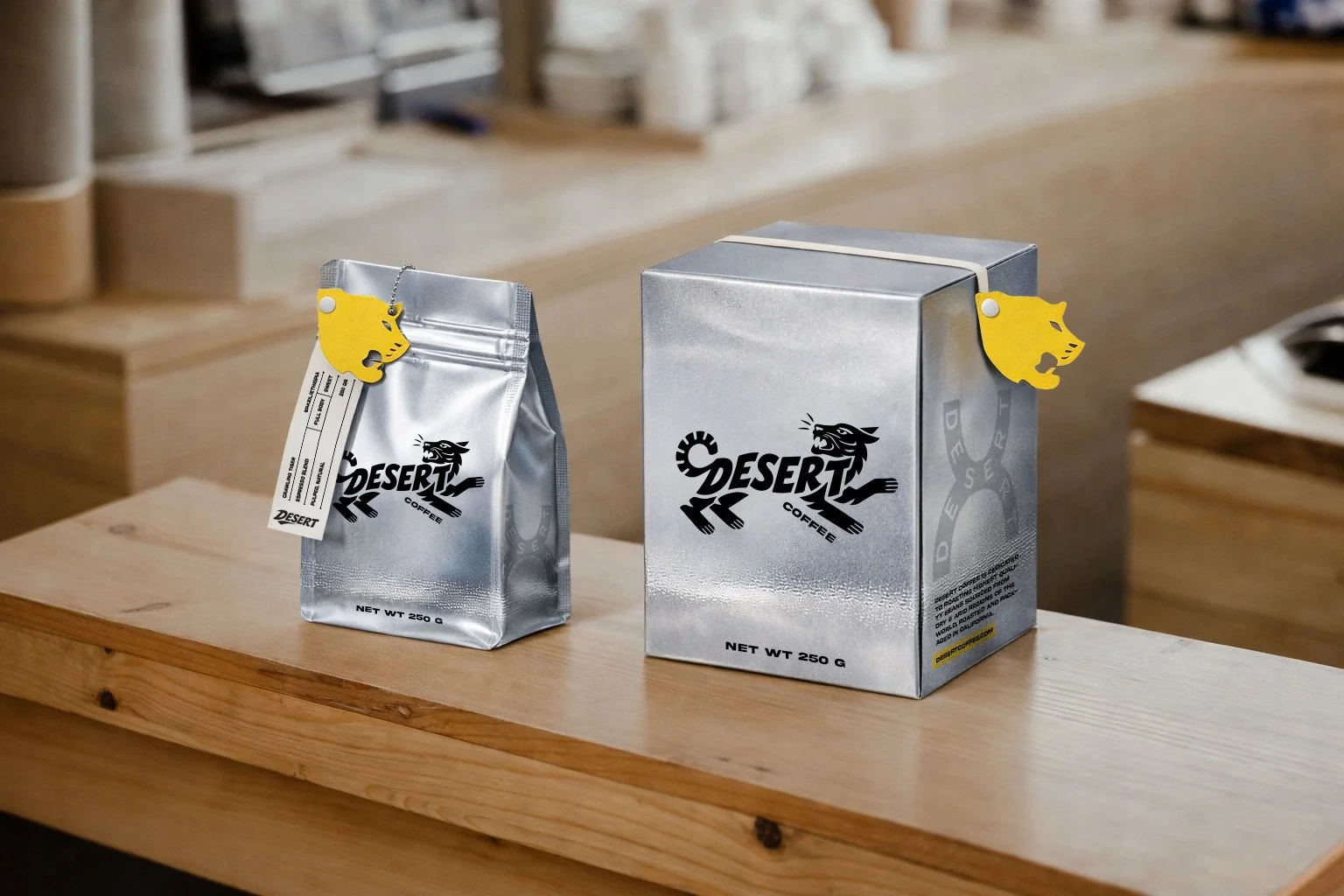
Why Coffee Isn't About Coffee
Founders rarely ask for packaging - they ask for a world. Because once the coffee reaches a certain level (and most specialty brands already start there) the real competition shifts elsewhere. Not to better beans or another origin, but to a stronger emotional connection.
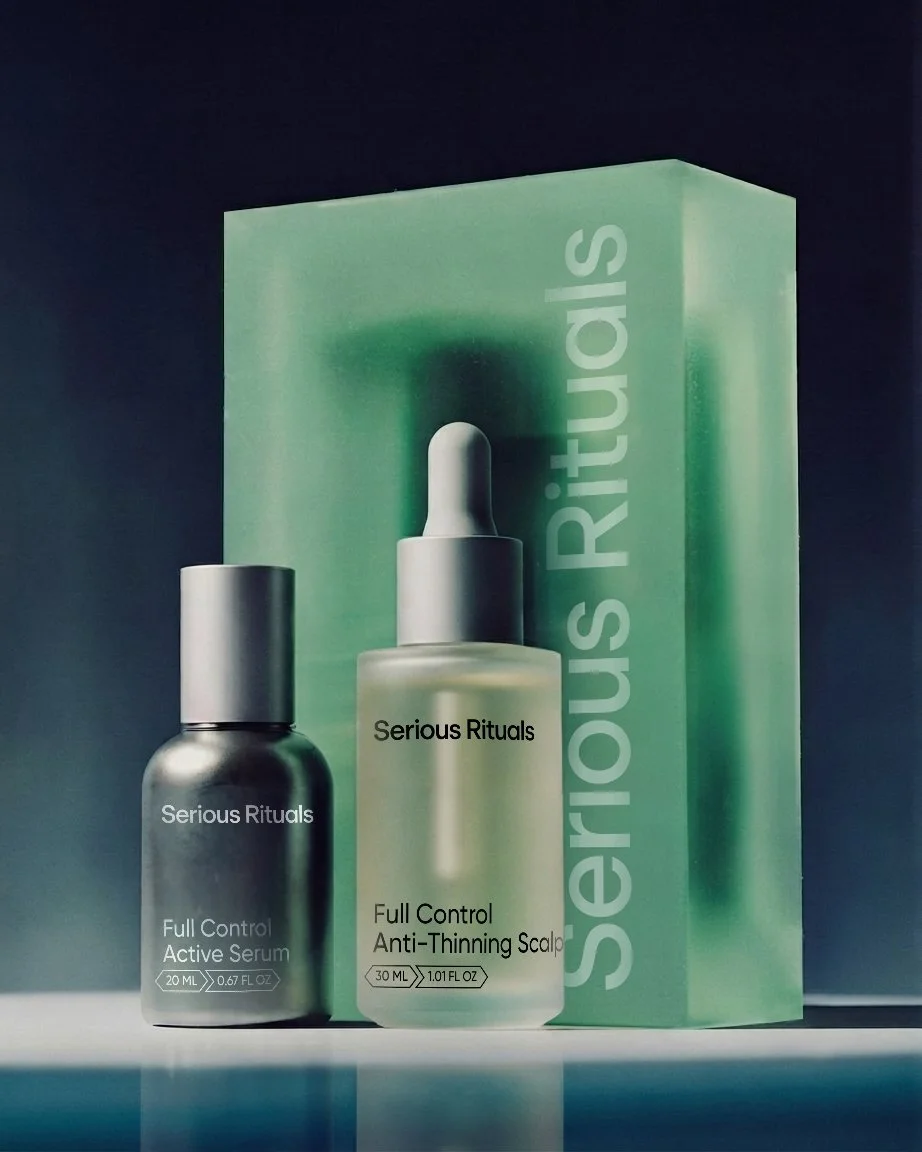
Designing for Products That Don't Exist Yet
One of the disciplines that has influenced the way I think is design anthropology. Rather than asking "What do people want?", design anthropology asks a different question: "How do people actually live?"
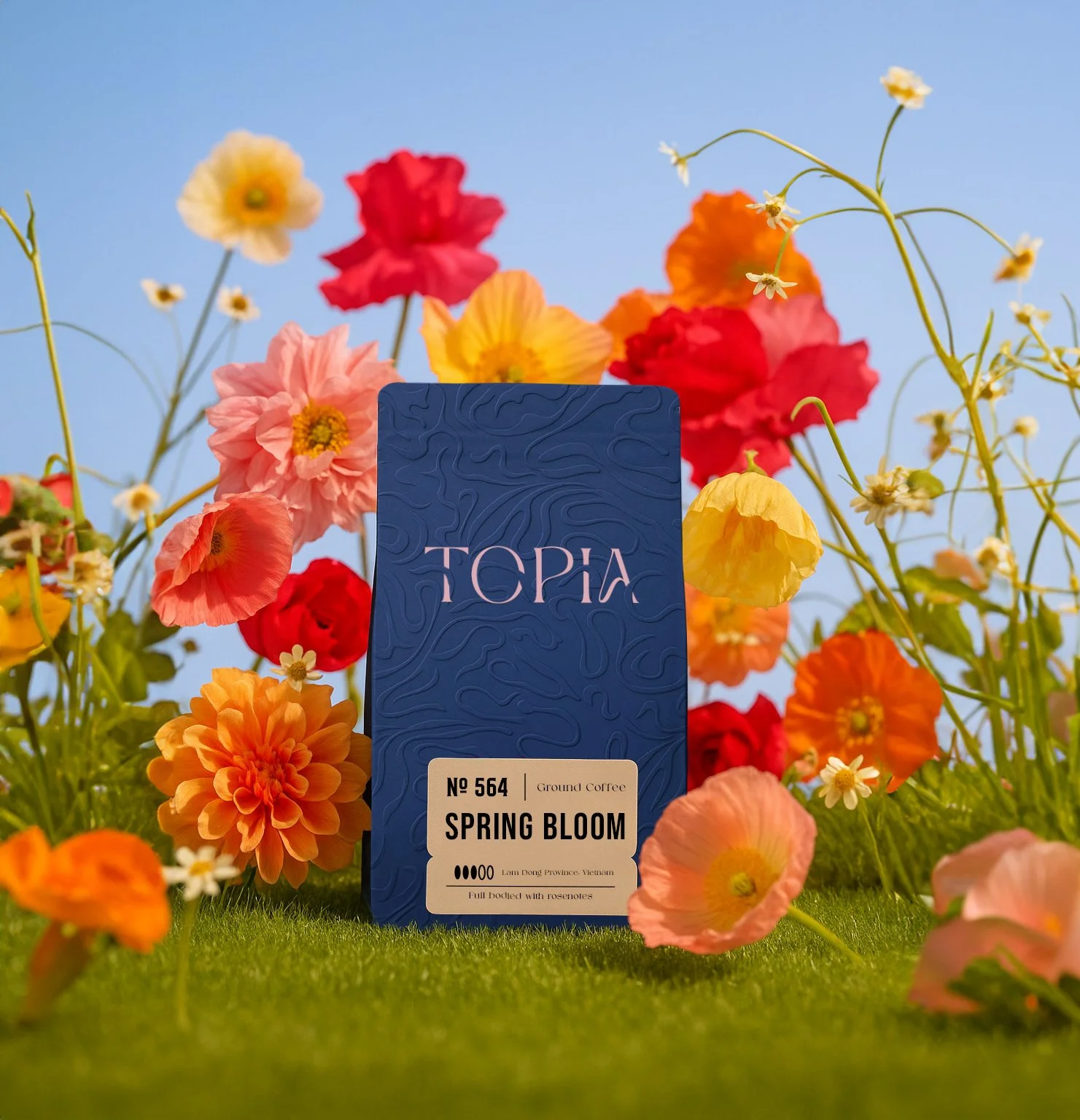
Materials Speak Before Products Do
Before someone reads your logo, understands your ingredients or compares your product to a competitor, they've already formed an opinion, but not because of branding - because of material.
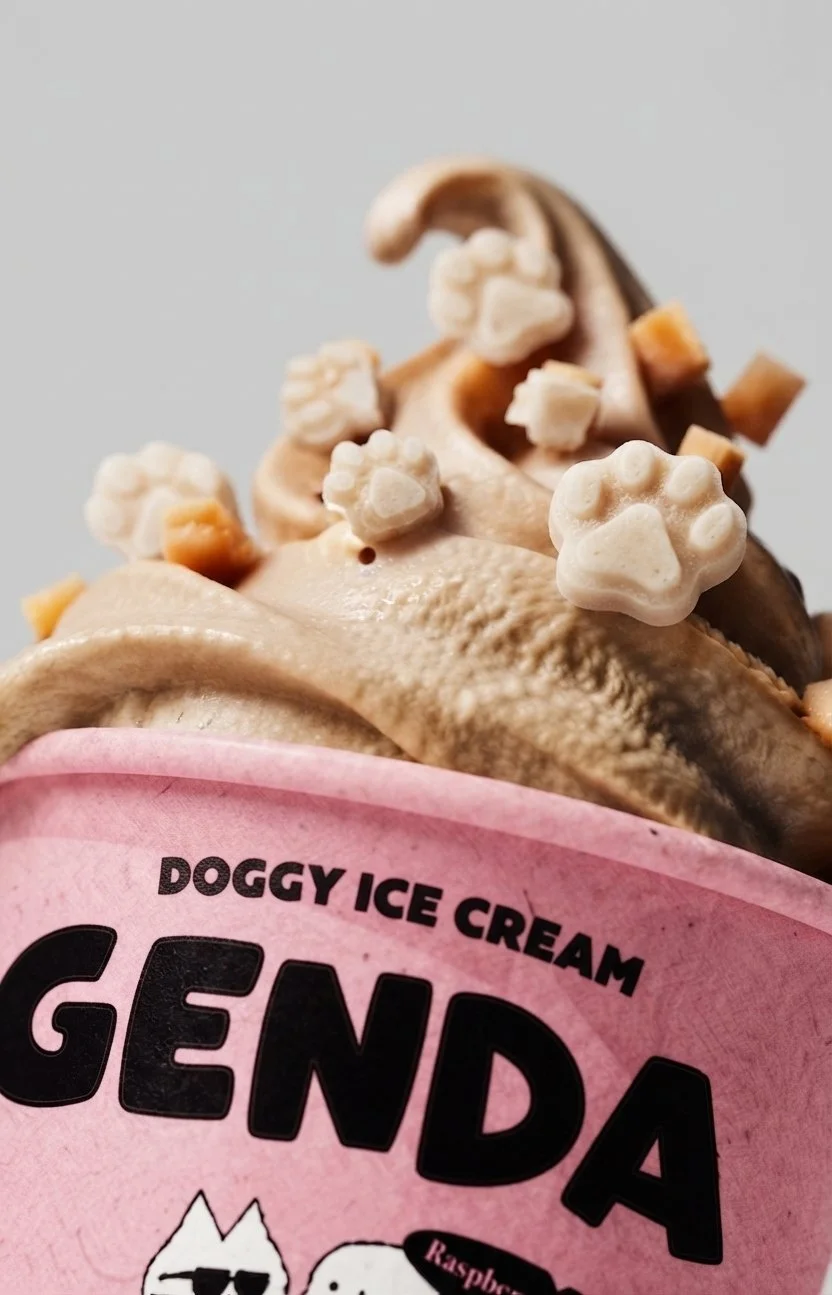
Concepts Deserve to Exist
On a planet with more than eight billion people, the future of a concept is often determined by one founder, one meeting, one opinion or one moment in time.
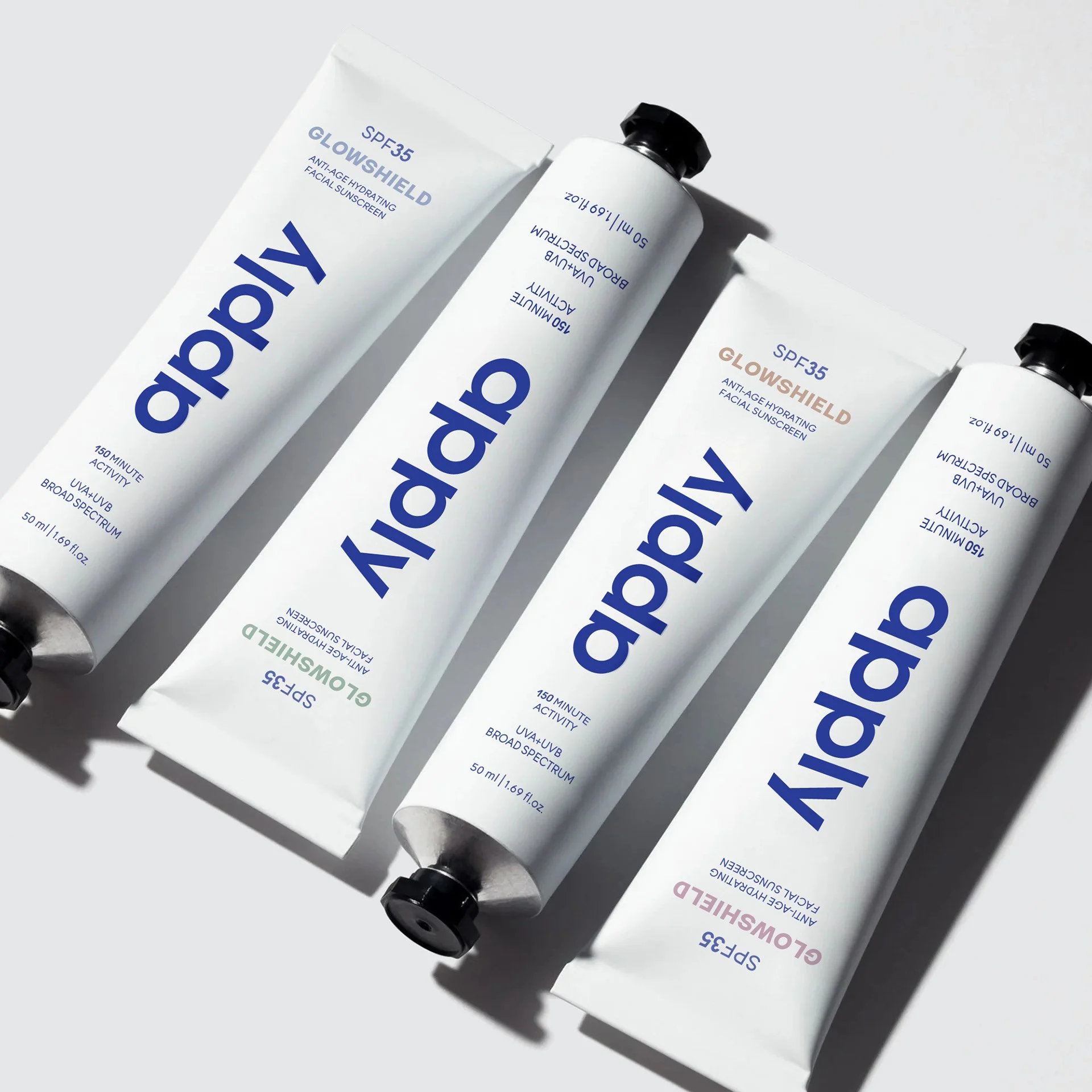
Why Brands Don’t Need to Look Different
Markets are crowded. New products appear every day. Every founder is told that differentiation is the only way to be noticed. But after working with founders across wellness, coffee and beauty brands, I've started questioning whether that's actually true.
In research
Human Perception
✓ Why Brands Don't Need to Look Different
✓ Materials Speak Before Products Do
○ Why Premium Rarely Needs Decoration
○ Can Texture Become a Logo?
○ Why We Trust Familiarity More Than Novelty
Culture
✓ Why Coffee Isn't About Coffee
○ Why Beauty Isn't About Beauty
○ Packaging as Cultural Memory
○ When Fashion Changes Packaging
Future Thinking
✓ Designing for Products That Don't Exist Yet
○ Packaging Systems vs Packaging Design
○ The First Product Is Never Just One Product
○ Designing Brands Before They Exist
Founder Thinking
○ Why Packaging Isn't the First Design Decision
○ The Cost of Safe Decisions
○ Building Brands People Grow Into