
PREMIUM ENGAGEMENT
Brand Transformation - Brand Strategy, Rebranding & Packaging Systems
from $18k
Brand Strategy
Rebranding
Creative Direction
Shopify
Packaging Systems
Brand Architecture
A clear direction for your brand’s next chapter.
Your business has grown. Your brand should reflect where it is going.
I help established consumer brands clarify their positioning, bring their product ranges together and build a distinctive identity across packaging, e-commerce and communication.
Brand Transformation connects strategic thinking with practical design: a recognizable masterbrand, a packaging system that accommodates different product families, and the tools your team needs to carry it forward.
Investment: from $18,000
Estimated timeline: 3–5 months
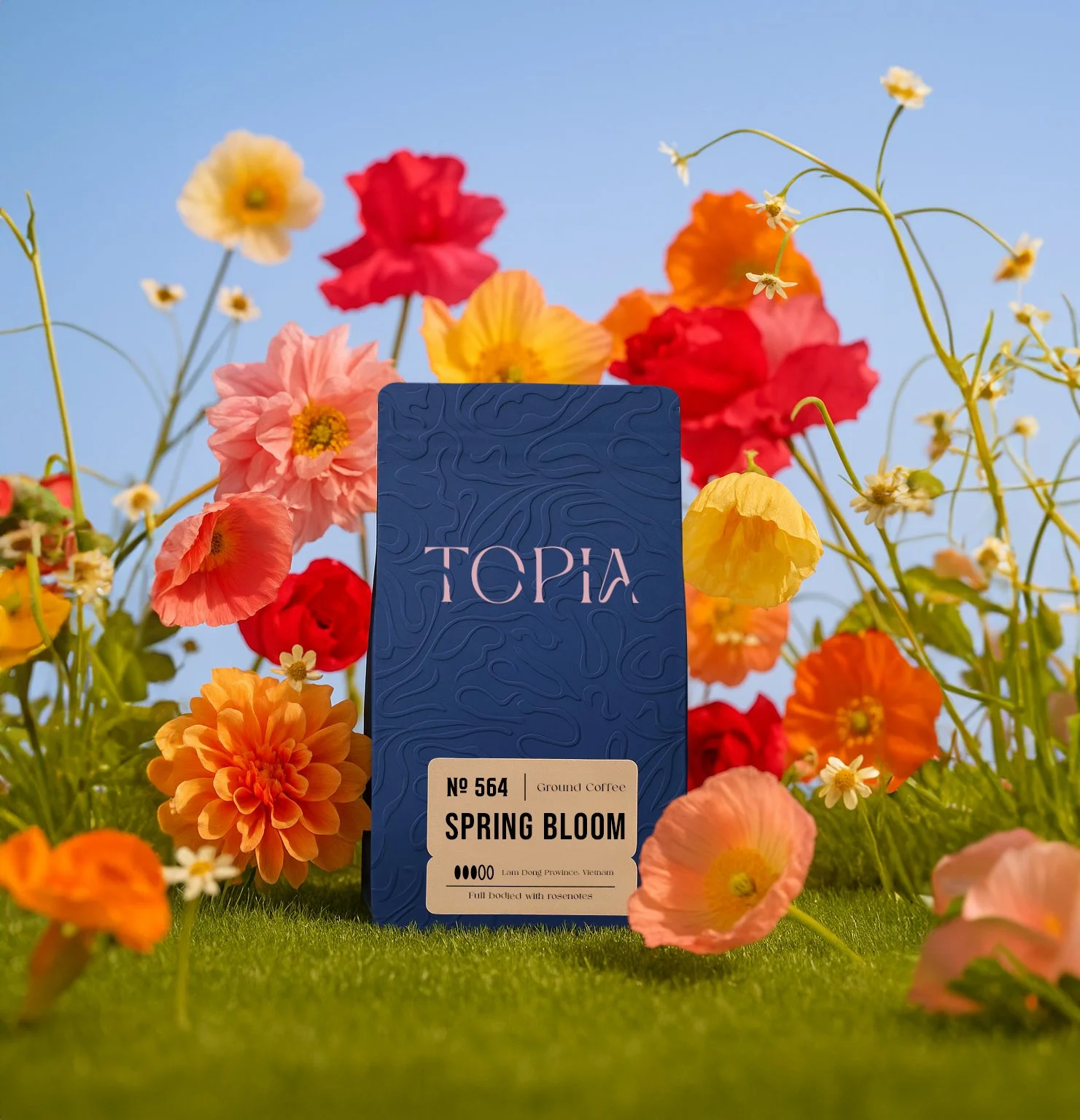
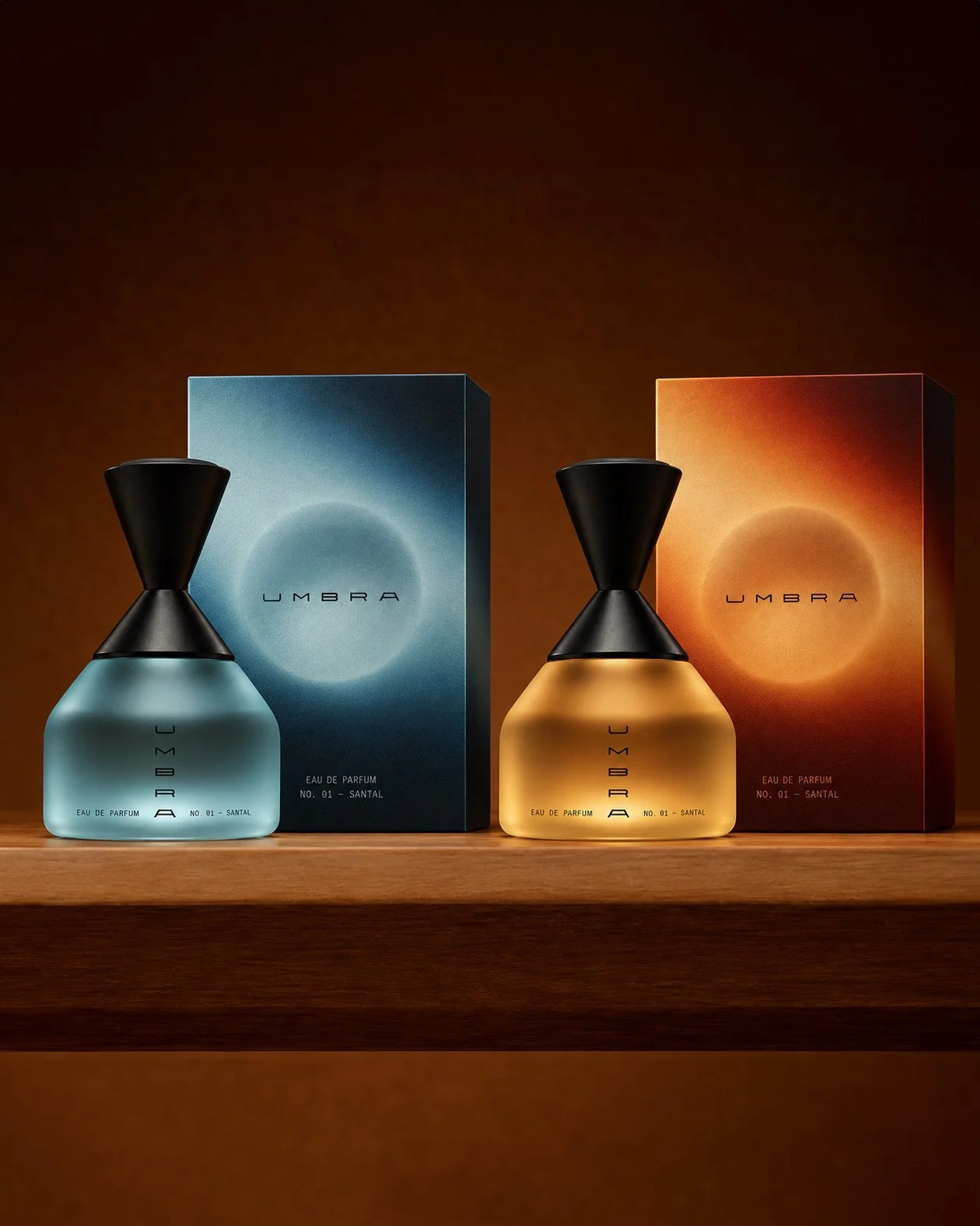
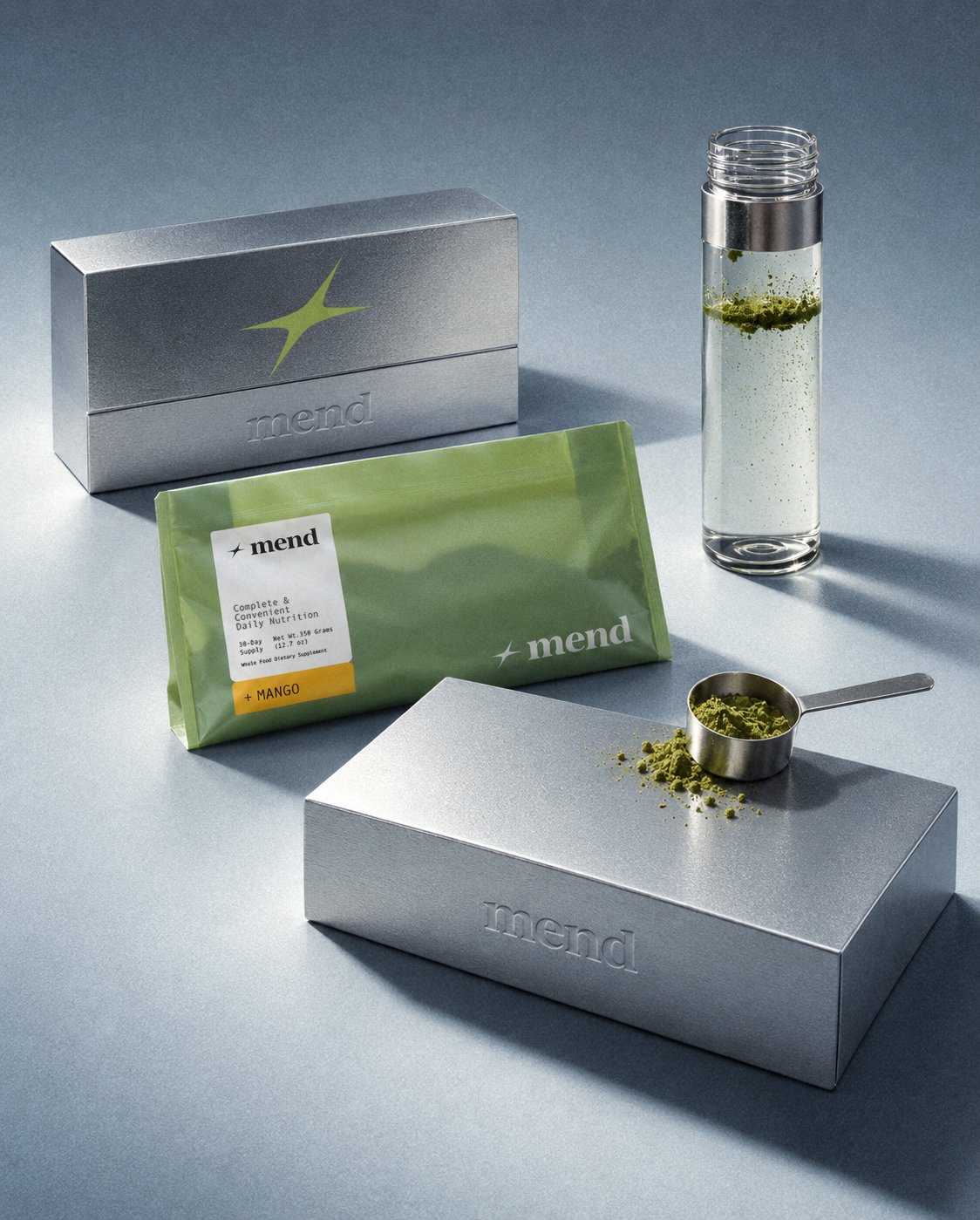
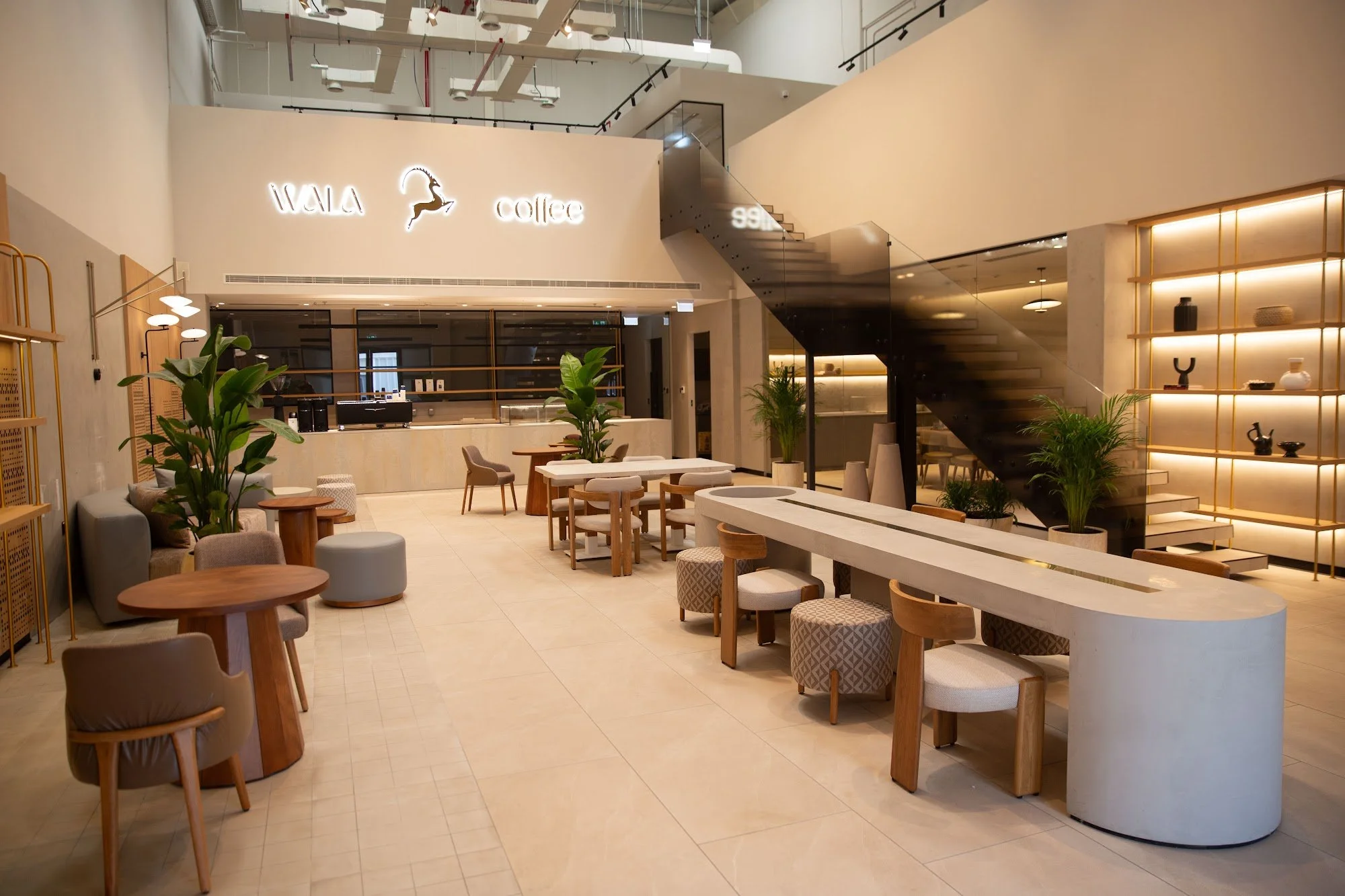
When the business grows, the brand needs a system.


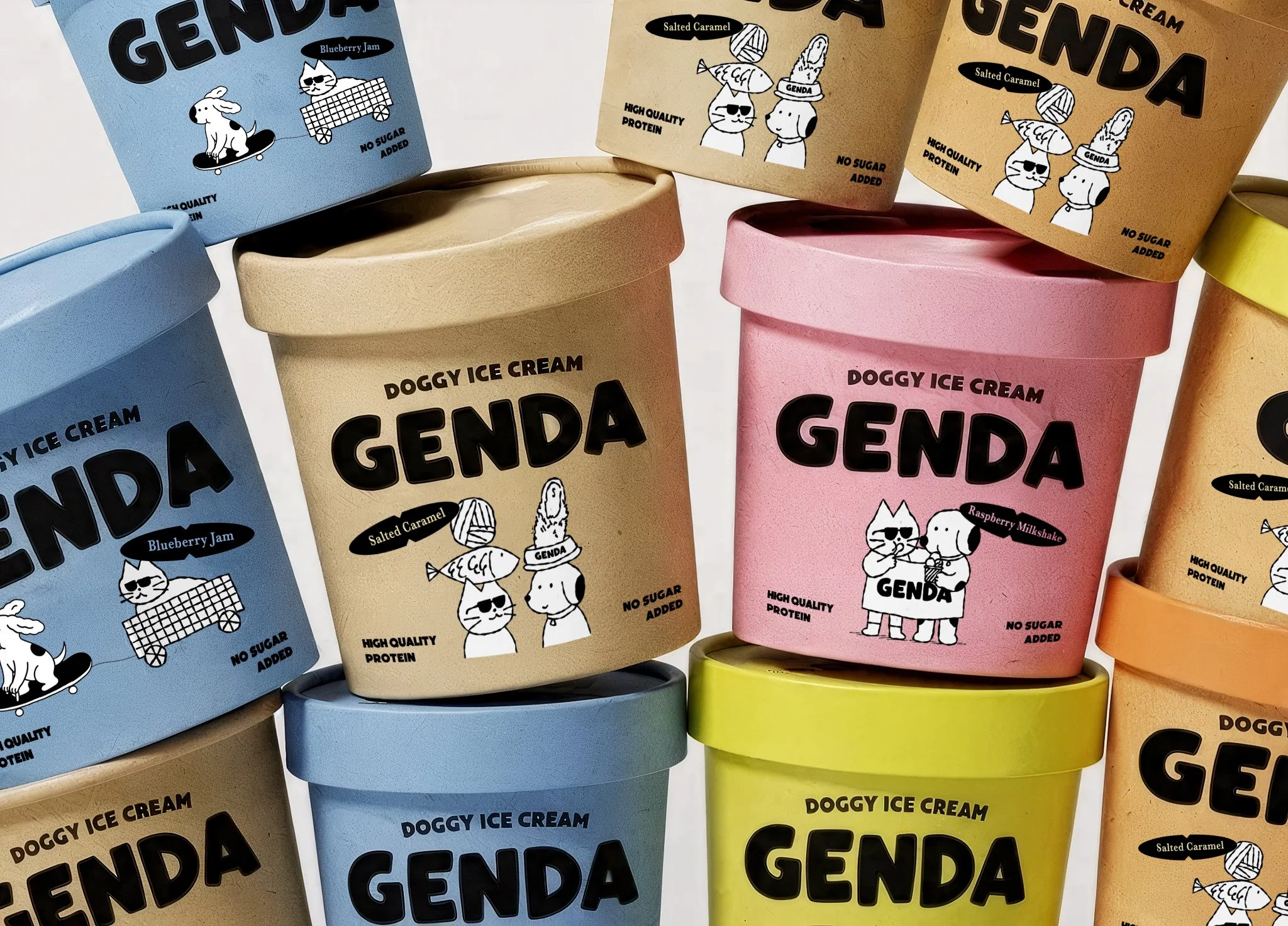
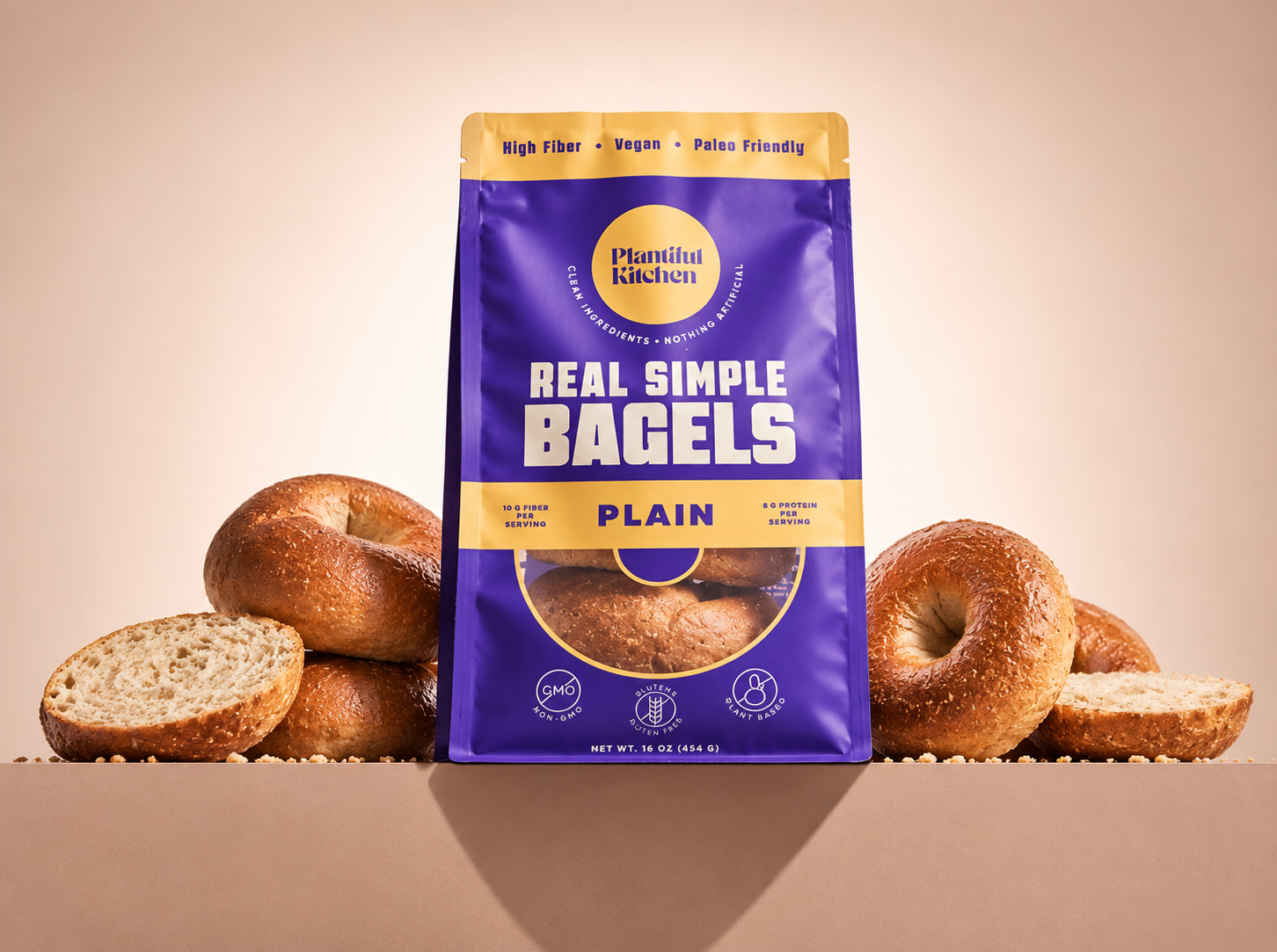
A new product launches. Another format follows. Different designers, suppliers and commercial priorities leave their mark.
Over time, a successful business can become difficult to recognize as one brand. Packaging varies between categories. Product benefits compete for attention. The website tells a different story from the shelf.
Brand Transformation begins by understanding those relationships.
What should connect every product? What should distinguish one family from another? Which familiar elements deserve to stay?
The answers become a practical system for the whole brand.
What’s included
01. Brand audit & strategic direction
A clear view of where the brand stands today and what its next stage requires.
Identity review, product portfolio, packaging and communication alongside the competitive landscape. Together, we establish the role your brand should play and the principles that will guide its transformation.
Review of the existing brand and product portfolio
Packaging and communication audit
Competitive landscape and category analysis
Positioning direction and opportunities for differentiation
Brand personality and communication principles
Initial verbal direction and key brand lines
Brand Direction & Positioning document
02. Brand architecture & system principle
A structure that helps customers understand your range and helps your team develop it consistently.
Define the relationships between the masterbrand, product families, variants and any sub-brands. At the centre is one clear design principle that connects the identity with packaging and future applications.
Masterbrand and product-family relationships
Sub-brand and endorsement principles where relevant
Product, category and variant hierarchy
Fixed brand elements and flexible family elements
A central creative principle for the system
Examples showing how future products can fit
03. Creative direction & brand identity
An identity developed around your positioning, existing recognition and future ambitions.
Depending on what the brand needs, this may involve evolving familiar assets or creating a new visual direction. Each decision is considered in the context of real products, retail environments and digital use.
Creative territory and visual direction
Logo or wordmark development
Secondary lockups, short forms and brand marks
Color palette and typography system
Supporting graphics and imagery principles
Small-scale, single-color and digital applications
Approved master identity assets
04. Packaging system & priority product families
A recognizable packaging family with room for different products, formats and purchase decisions.
System development across agreed priority product families, establishing how brand recognition, product information and variant differentiation work together.
Packaging concept and design architecture
Product, benefit, ingredient and flavor hierarchy
Layout, typography, color and imagery rules
Primary and secondary packaging for agreed formats
Display boxes, shipping cases or retail applications where included
Agreed language and market adaptations
Production-ready artwork on supplier-provided dielines
The proposal defines the product families, SKUs, packaging formats and market versions included in production rollout.
05. System testing & brand world
Before the system is finalized, I test how it behaves beyond the first approved packs.
Selected applications reveal whether the brand can accommodate a new category, a smaller format, different information requirements or a new sales environment while remaining recognizable.
Conceptual extensions across selected portfolio categories
Size, format and product-family tests
Retail shelf and display visualizations
Digital and social media direction
Campaign and launch visual concepts
Photography assessment and future shot recommendations
These explorations establish the system’s flexibility. Production artwork for additional products is scoped separately.
06. Shopify website design & implementation
An online store that introduces the transformed brand and helps customers navigate its products.
Bringing the strategy, identity and packaging into a responsive Shopify experience, using a clear content structure and a consistent visual direction.
Website structure and content hierarchy
Homepage design
Collection or category template
Product page template
Brand-story and agreed information pages
Mobile adaptation
Shopify theme configuration and implementation
Responsive testing and launch preparation
07. Sales materials & brand applications
Practical tools that bring the new brand into conversations with customers, buyers and partners.
The application set is selected around how your business sells, presents and launches its products.
Social media art direction and reusable templates
Selected launch key visuals
Product catalogue or sales presentation
Sample-kit packaging
Event or team apparel
Retail and expo application guidance
The proposal specifies the final application list and quantities.
08. Guidelines, handover & rollout support
A working reference for the people who will use the brand every day.
I document the system’s decisions and prepare organized assets so your team and suppliers can apply it consistently.
Identity and image-direction guidelines
Brand architecture and endorsement rules
Packaging grids and fixed-versus-variable principles
Product-family and variant differentiation
Examples of system extension
Organized source files and approved production artwork
Handover session
30 days of post-handover review and brand application guidance
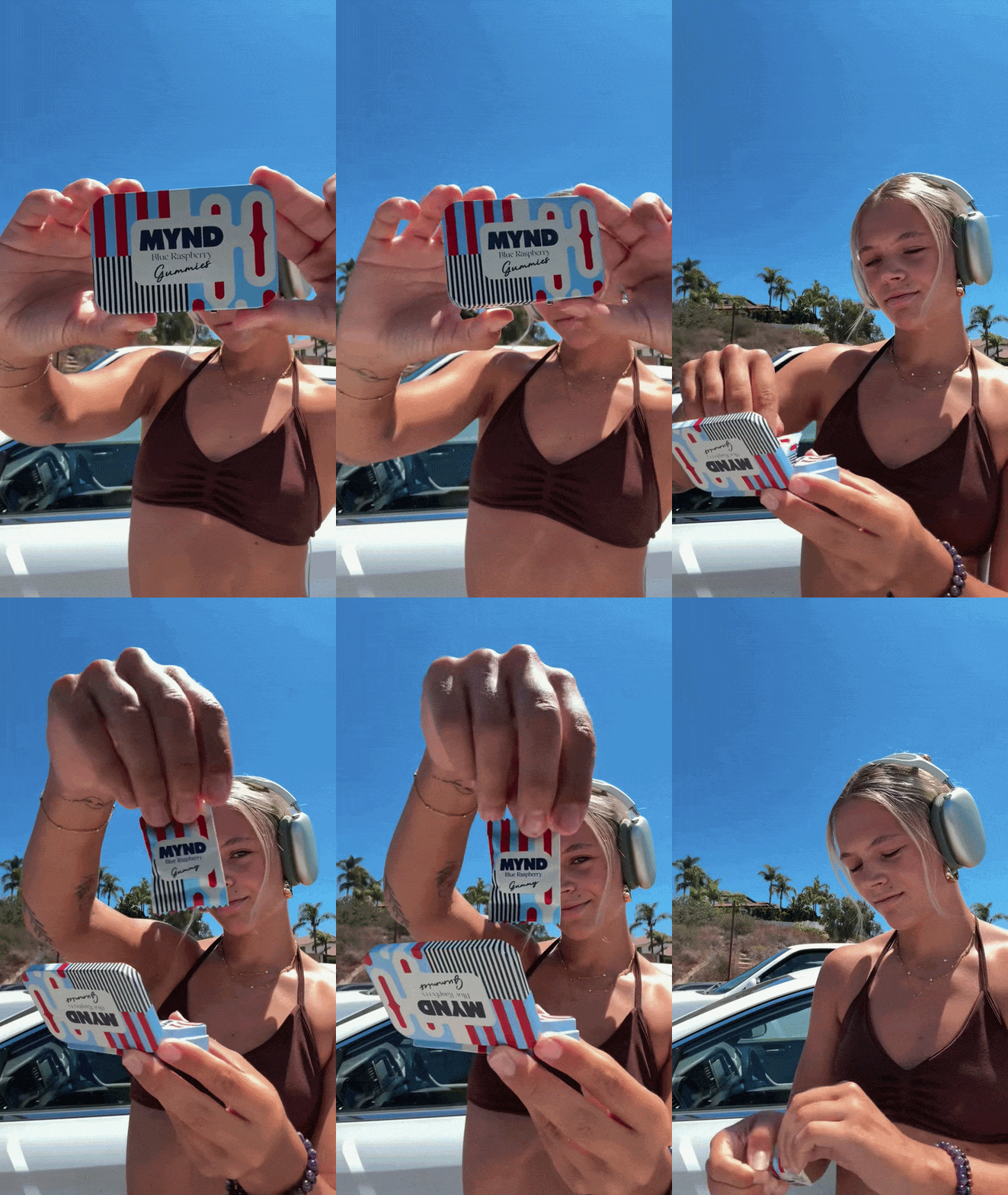
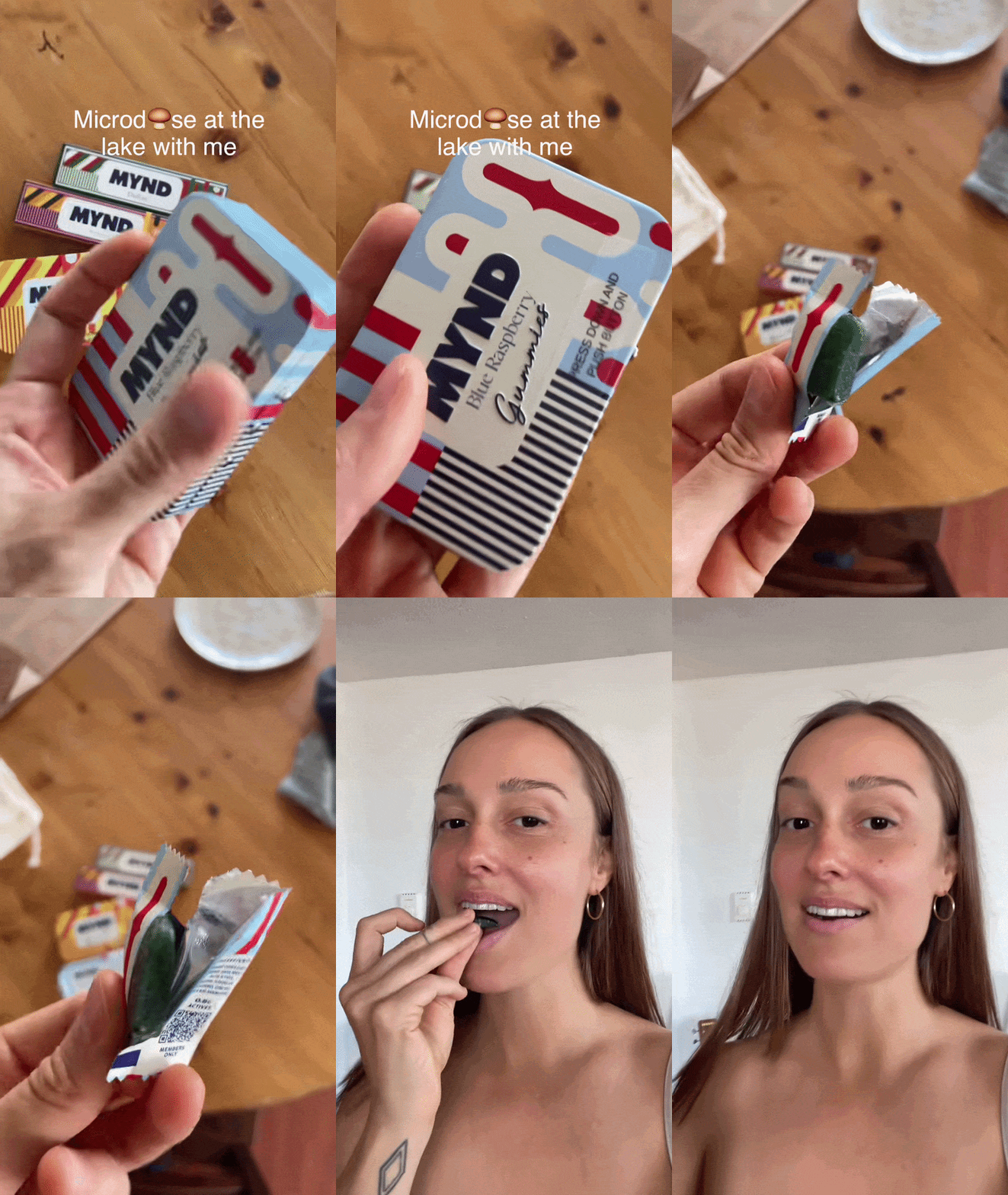
MYND MUSHROOMS · USA
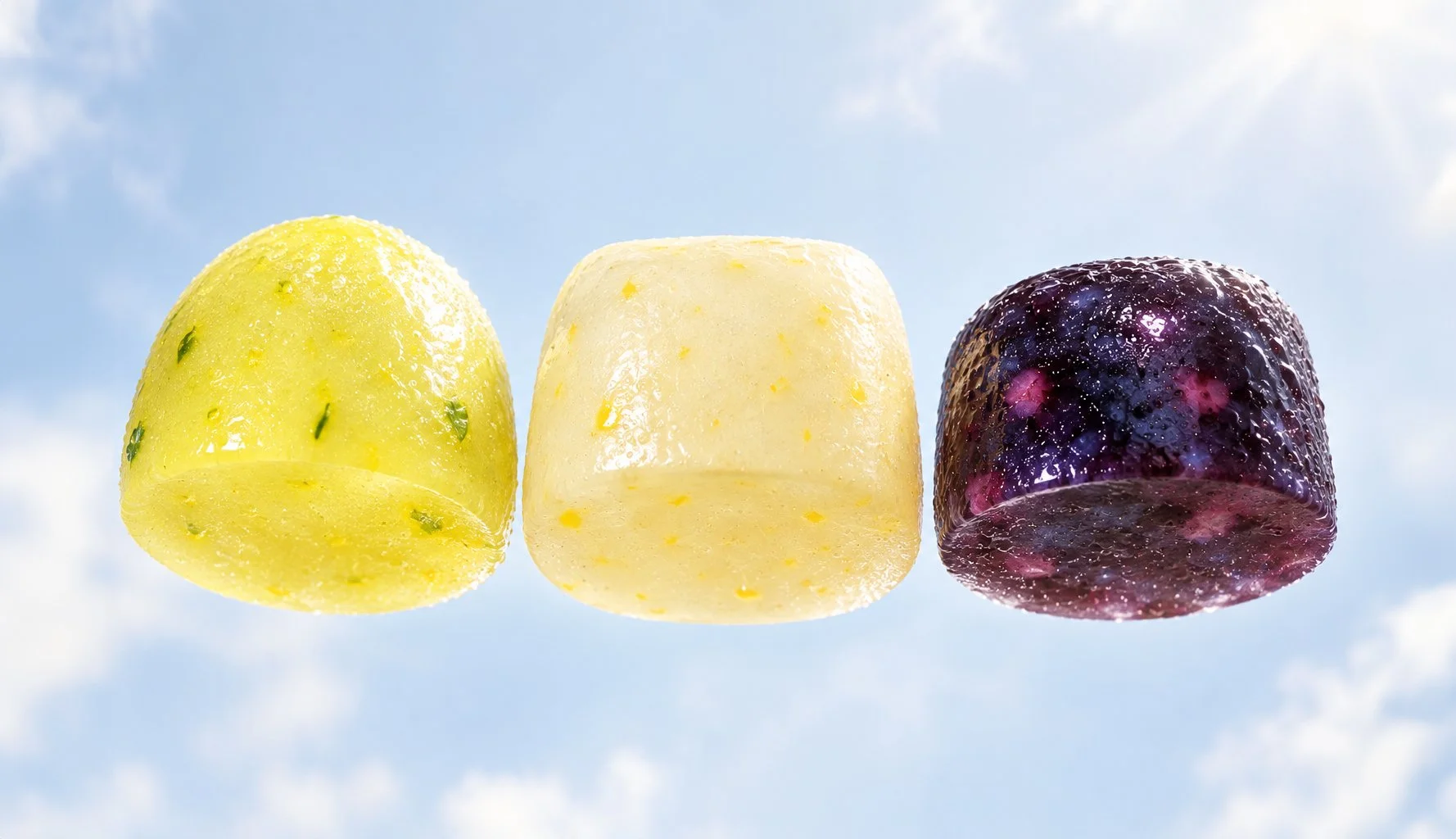
What if a wellness brand became a retro space adventure?
The products became planets waiting to be explored.
The illustrations evolved into scenes from a vintage science-fiction universe.
How we work together
01
Understand
We review the business, existing brand, product portfolio and commercial ambitions. The scope is built around the changes your next stage requires.
02
Define
I establish the positioning direction, brand architecture and central system principle. We agree on the foundation before detailed design begins.
03
Develop
The direction becomes a master identity and packaging system, developed across agreed priority product families.
04
Test
I explore additional categories, formats and touchpoints to assess the system’s flexibility and refine its rules.
05
Implement
The approved brand extends into production artwork, Shopify and the agreed sales and launch applications.
06
Equip
Your team receives the guidelines, files and handover needed to apply the brand consistently.
Frequently Asked Questions
-
The audit helps determine what should be retained, refined or redesigned. Existing recognition is part of the decision, alongside the practical needs of the new system.
-
The wider portfolio informs the strategy and system design. Production-ready artwork is prepared for the product families, SKUs and formats agreed in the proposal. A larger catalogue can be rolled out in phases.
-
Yes. The architecture defines what stays consistent across the brand and what can change between categories, helping each family communicate its specific offer.
-
Agreed market versions can be included using supplied translations, product information and regulatory content. Your appointed specialists review and approve legal requirements and final claims.
-
Art direction and production planning form part of the brand work. Photography, video, rendering and other content production are specified and budgeted according to the agreed requirements.
-
The agreed theme setup, page templates, supplied content and responsive implementation. Custom applications, complex integrations and ongoing maintenance can be scoped separately.
-
Most engagements take 3–5 months. Timing depends on portfolio complexity, production requirements, content readiness and approval speed. The proposal sets out the project schedule.
-
The engagement includes 30 days of review and guidance for applying the approved system. Further packaging adaptations, content and ongoing creative direction can be arranged separately.
Is Brand Transformation right for your business?
This engagement is suited to established consumer brands that are:
Bringing several product families under one recognizable identity
Repositioning for a different audience or price point
Preparing to enter new categories or markets
Updating a brand that no longer reflects product quality
Aligning packaging, e-commerce and sales communication
Building clearer design rules for an expanding team or supplier network